Midlands Rivers Coalition 2026 Sampling Season Summary
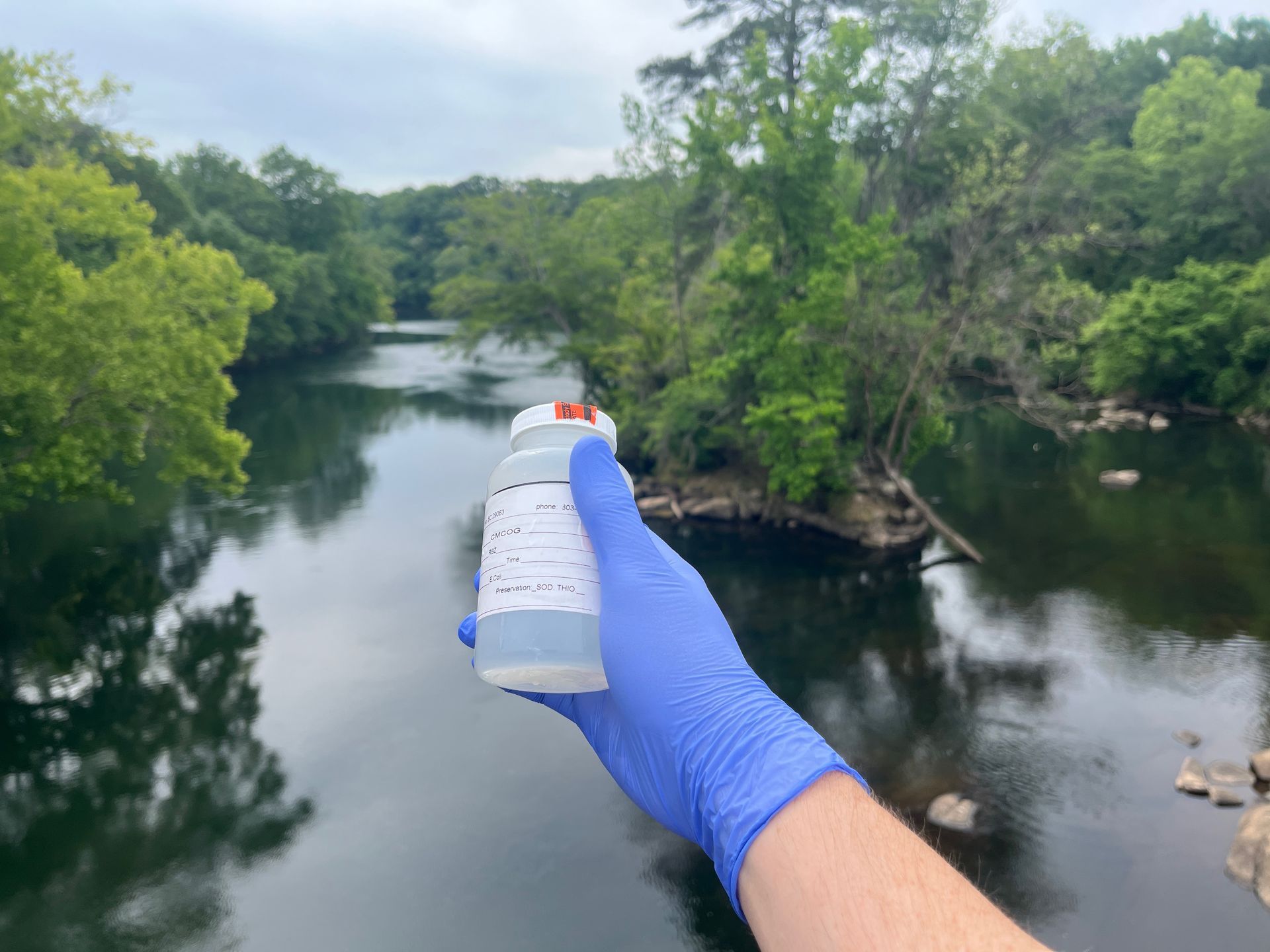
The end of September also marked the end of the tenth season of the Midlands Rivers Coalition's weekly recreational water quality monitoring program. Like many past seasons, the results were a mix, with several weeks of swimming advisories, but also plenty of "all greens."
Here's how the 2026 sampling season went by the numbers:
- 11 sites on the Broad, Lower Saluda and Congaree Rivers were sampled every week for 22 weeks, from May - September
- 276 total bacteria samples were collected (242 regular samples and 34 follow-up samples)
- 43 samples did not meet the state standard for contact recreation (34 regular samples and 9 follow-up samples)
- 84.4% of all samples collected this season met the state standard for contact recreation (an improvement from last year)
- 10 weeks with at least one swimming advisory issued (5 of those had advisories continue after follow-up sampling)
- No individual advisory lasted more than one week
- 12 weeks with "All Greens", including two 3-week stretches
- Every site had at least one swimming advisory. The Saluda Shoals Canoe Landing (aka Upper Landing) and the Broad River Rowing Club were the best sites with just one sample each over the standard, while the Riverbanks Zoo Bridge site on the Lower Saluda was the worst site with nine samples above the standard.
As we said often during the sampling season, and over the last ten years of this program, water quality monitoring is an important tool, but it only captures a snapshot of the conditions at a specific location at a specific time, and water quality conditions can change quickly. There are many possible sources of pollution that can cause high bacteria levels, including sewer spills, upsets at wastewater treatment plants, wildlife, and most commonly, stormwater runoff. Remember, we often see elevated bacteria levels in the 24-48 hours after significant rain events. River users should always pay attention to the weather and conditions on the rivers and use their best judgement.
Thank you so much to all of the Midlands Rivers Coalition partners who help make this effort possible. Weekly water quality monitoring will resume in May of 2027.