News
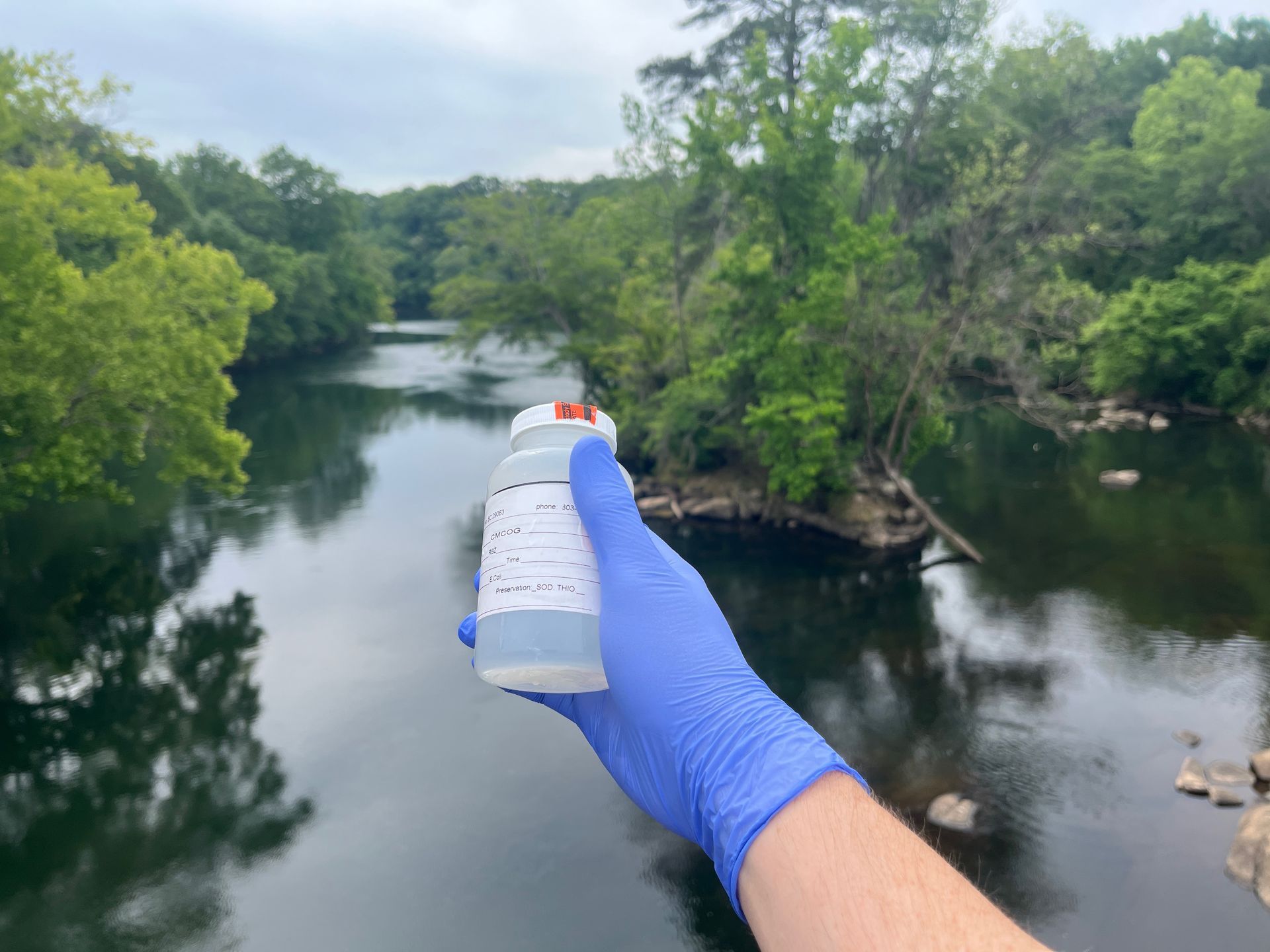
The end of September also marked the end of the tenth season of the Midlands Rivers Coalition's weekly recreational water quality monitoring program. Like many past seasons, the results were a mix, with several weeks of swimming advisories, but also plenty of "all greens." Here's how the 2026 sampling season went by the numbers: 11 sites on the Broad, Lower Saluda and Congaree Rivers were sampled every week for 22 weeks, from May - September 276 total bacteria samples were collected (242 regular samples and 34 follow-up samples) 43 samples did not meet the state standard for contact recreation (34 regular samples and 9 follow-up samples) 84.4% of all samples collected this season met the state standard for contact recreation (an improvement from last year) 10 weeks with at least one swimming advisory issued (5 of those had advisories continue after follow-up sampling) No individual advisory lasted more than one week 12 weeks with "All Greens", including two 3-week stretches Every site had at least one swimming advisory . The Saluda Shoals Canoe Landing (aka Upper Landing) and the Broad River Rowing Club were the best sites with just one sample each over the standard, while the Riverbanks Zoo Bridge site on the Lower Saluda was the worst site with nine samples above the standard. As we said often during the sampling season, and over the last ten years of this program, water quality monitoring is an important tool, but it only captures a snapshot of the conditions at a specific location at a specific time, and water quality conditions can change quickly. There are many possible sources of pollution that can cause high bacteria levels, including sewer spills, upsets at wastewater treatment plants, wildlife, and most commonly, stormwater runoff. Remember, we often see elevated bacteria levels in the 24-48 hours after significant rain events. River users should always pay attention to the weather and conditions on the rivers and use their best judgement. Thank you so much to all of the Midlands Rivers Coalition partners who help make this effort possible. Weekly water quality monitoring will resume in May of 2027.
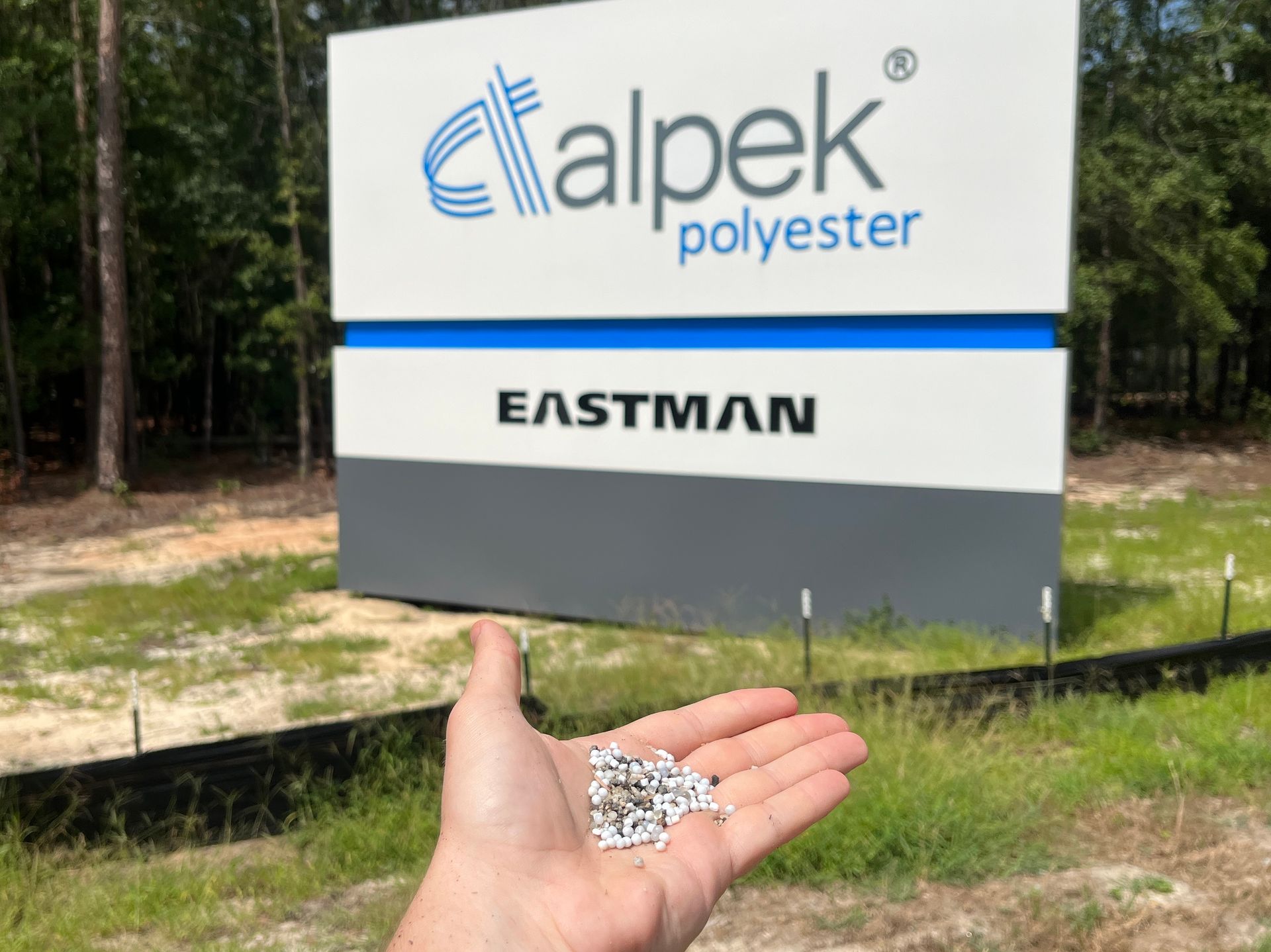
Congaree Riverkeeper sues Alpek-Eastman plant for polluting Congaree River with microplastics and other toxic chemicals Pollution from the chemical plant litters miles along Congaree National Park, the suit alleges
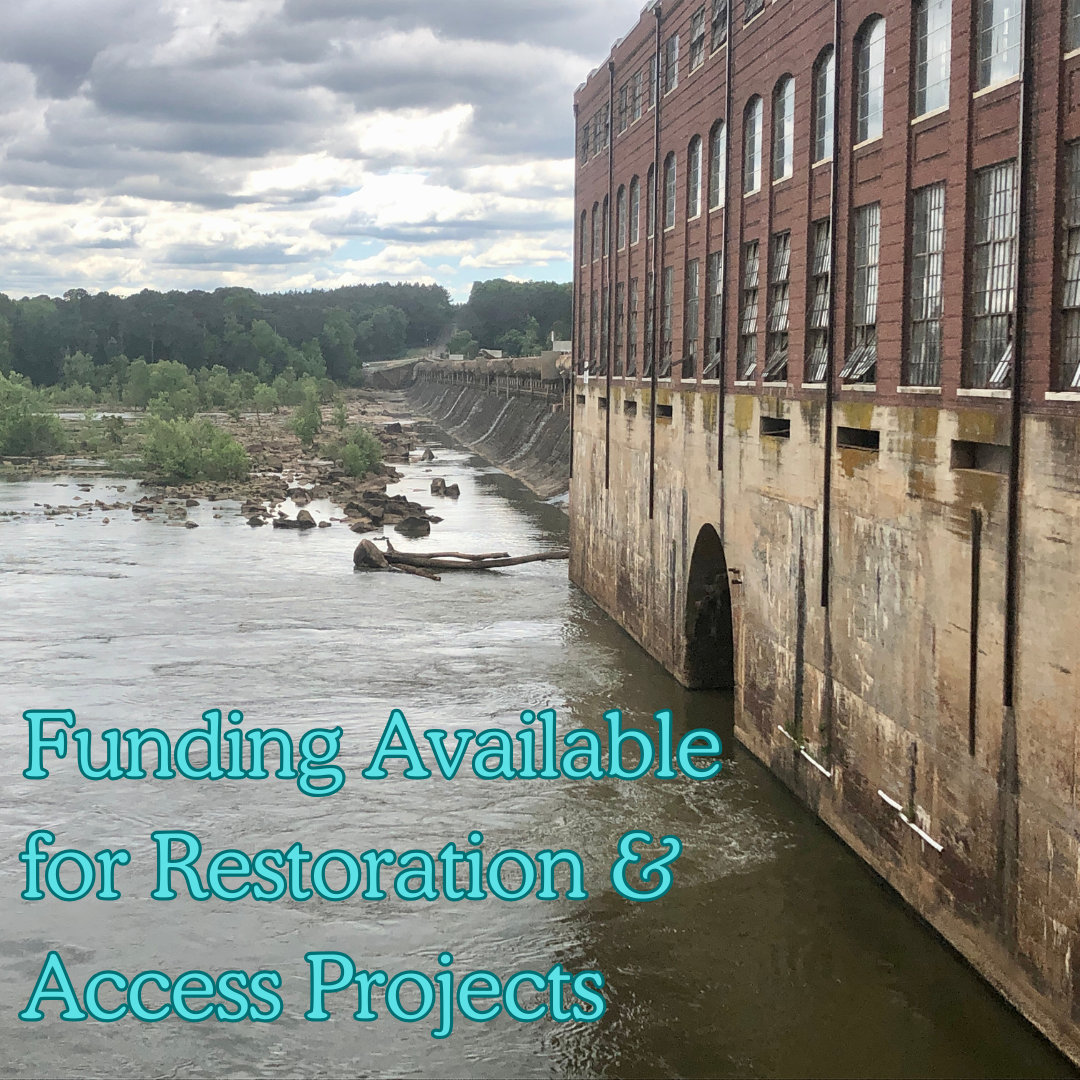
As part of the Comprehensive Relicensing Settlement Agreement for the relicensing of the Parr and Fairfield hydroelectric projects on the Broad River, Dominion Energy established the Parr Habitat Enhancement Program (HEP) and regularly contributes funds for natural resource stewardship grants in the Broad, Saluda, and Congaree River watersheds. Types of projects that may be eligible for funding include stream restoration, removal of barriers to aquatic species, conservation, restoration, and enhancement of habitat for threatened, endangered and at-risk species, land conservation, developing low-impact facilities to access waterways for fishing and boating, and some research and monitoring activities. The HEP fund has already funded fisheries research, access improvements, and restoration planning activities. The 2026 Parr HEP request for proposals was recently released, and more than $300,000 will be available for projects this cycle. Proposals are due by July 31st.
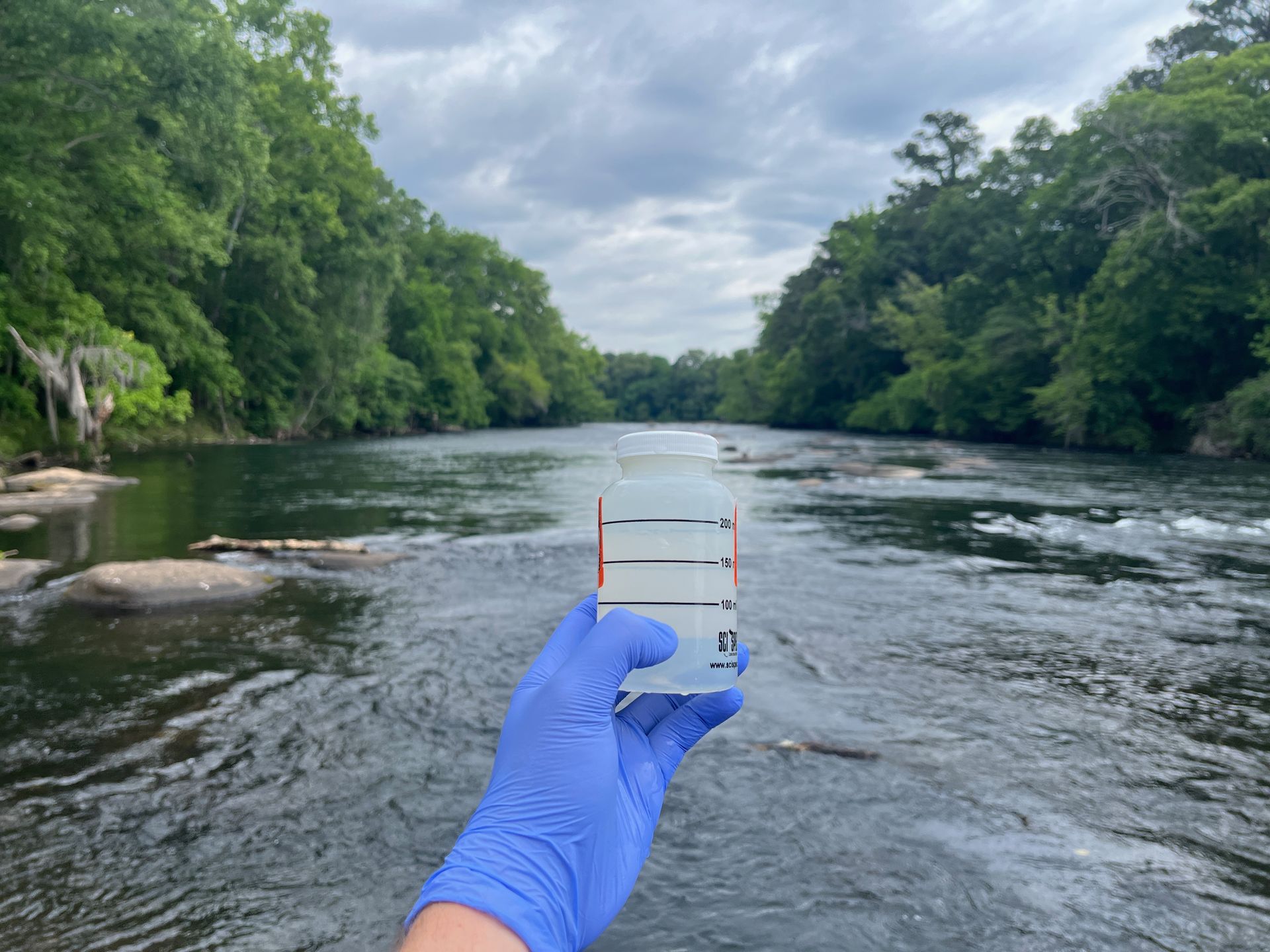
Midlands Rivers Coalition Kicks off 10th Season of Water Quality Monitoring
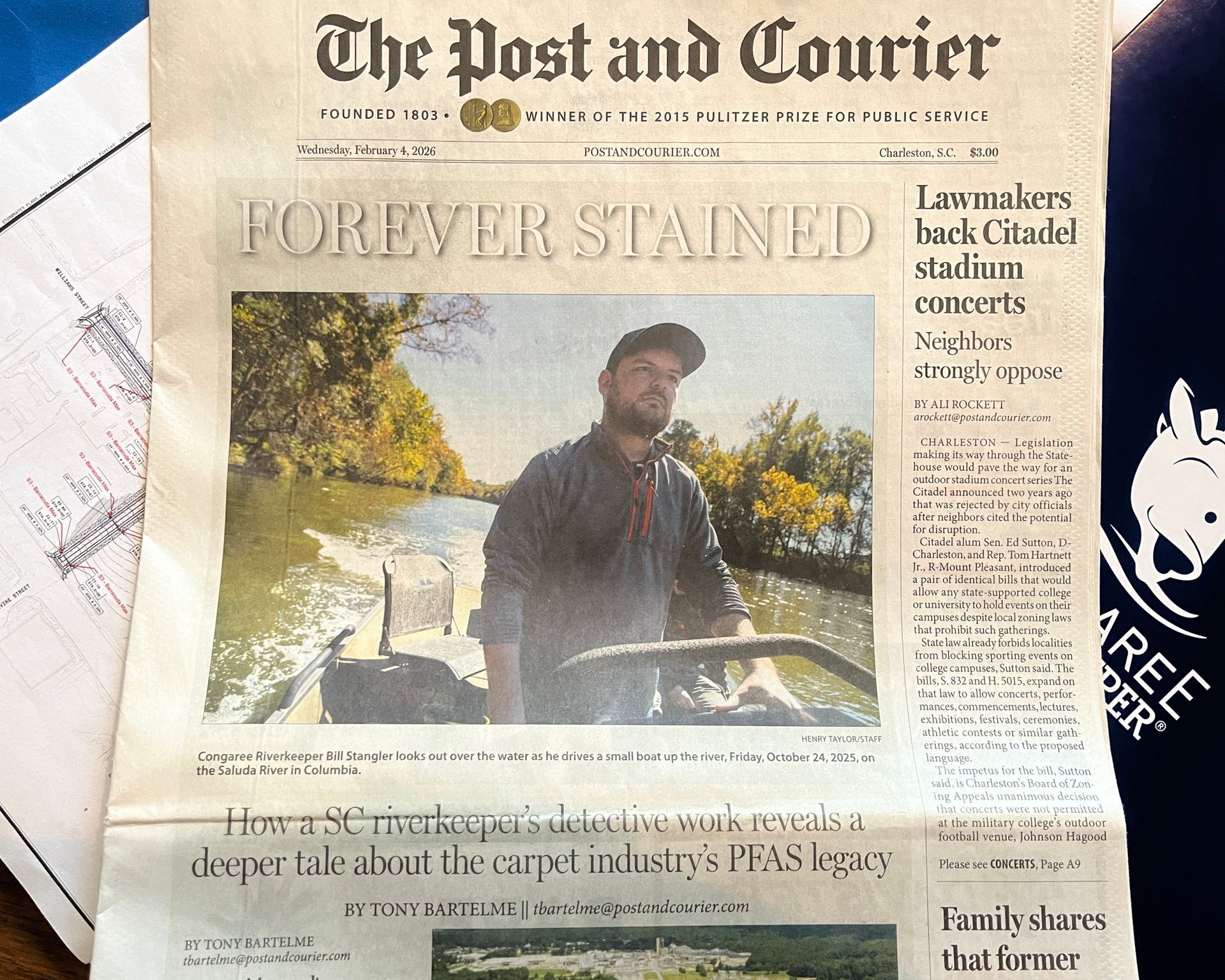
In 2024, after several rounds of sampling and investigation, Congaree Riverkeeper filed a Clean Water Act lawsuit against Shaw Industries over discharges of PFAS "forever chemicals" into the Lower Saluda River from their plant in the Irmo area. Since that lawsuit was filed, there have been some significant updates that we can now share. Earlier this month the Post and Courier, working with PBS Frontline, AP, and others, ran an in-depth story on Congaree Riverkeeper's PFAS investigation work, the lawsuit with Shaw, and the steps that have been taken to address the issue. After we filed our lawsuit Shaw confirmed they had a PFAS problem at their site and we began working collaboratively to try and find solutions. Since then we agreed to pause the lawsuit while Shaw installed a treatment system that should remove most of the PFAS from their wastewater discharge and began work developing a long-term cleanup plan for their site. While we’re not at the finish line yet, we are pleased with the effort Shaw has made and we hope this can be a template for how to address industrial PFAS issues that are impacting so many communities. You can read the Post and Courier article on the Frontline website here: How a SC Riverkeeper’s Detective Work Reveals a Deeper Tale About the Carpet Industry’s PFAS Legacy
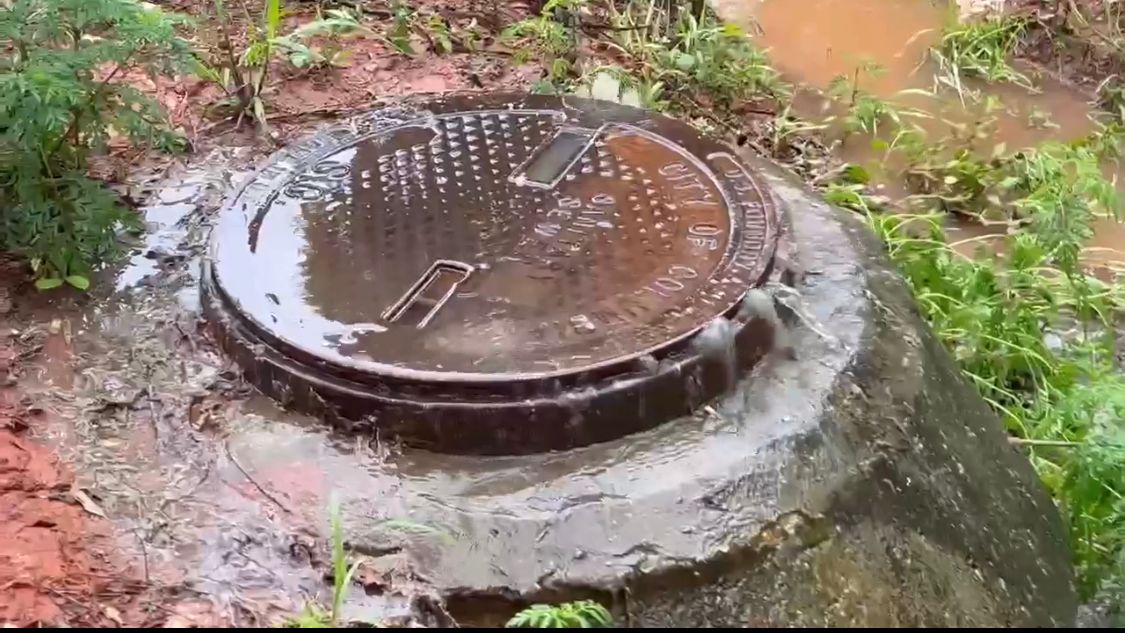
Since 2013 we have published an annual sewer spill report for Congaree Riverkeeper's jurisdictional area, which includes the Lower Saluda, Lower Broad, and Congaree Rivers, and their tributaries. In 2025 there were more than 100 reported sanitary sewer overflows (SSO's) totaling more than seven million gallons of sewage spilled in our watershed. This report was compiled using data from the SCDES Sewer Overflow Database , public notifications, and communications with local sewer providers. Sewer overflows are a serious water quality concern. They can contaminate waterways and create both ecological and public health issues. River users who are exposed to sewer overflows may experience health problems including infections, rashes, and gastrointestinal issues.
Another busy year of fighting for our rivers!
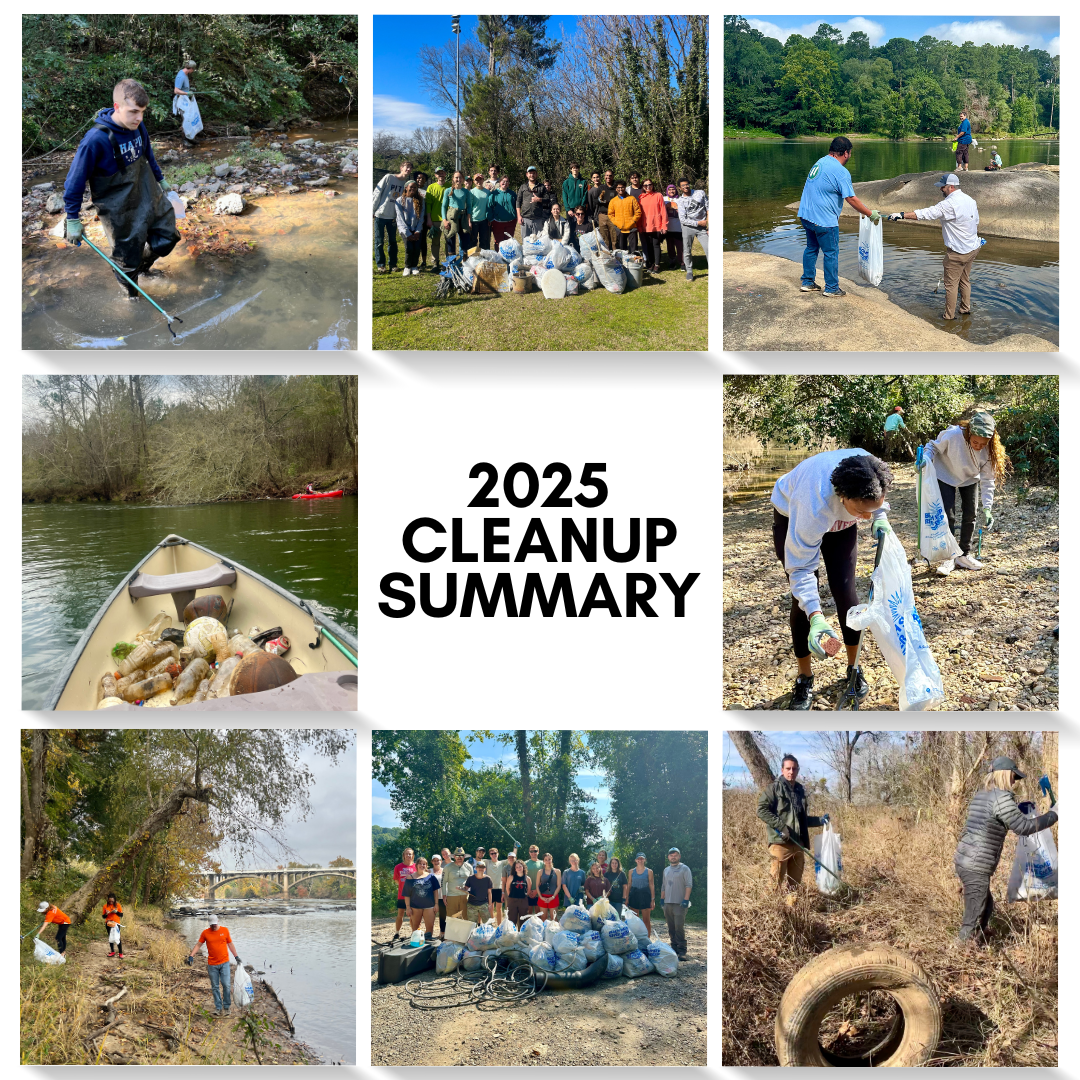
In 2025 we held 14 rivers and stream cleanups and, with the help of 210 volunteers, we picked up more than 7,500 pounds of trash from our local waterways. Since 2019 we've partnered with the South Carolina Aquarium to track the trash we collect at our cleanups through the Litter Journal app . The data we collect helps us identify litter trends, inform advocacy and policy, and educate the public. This year we collected and recorded 15,817 pieces of trash and debris at our cleanups.
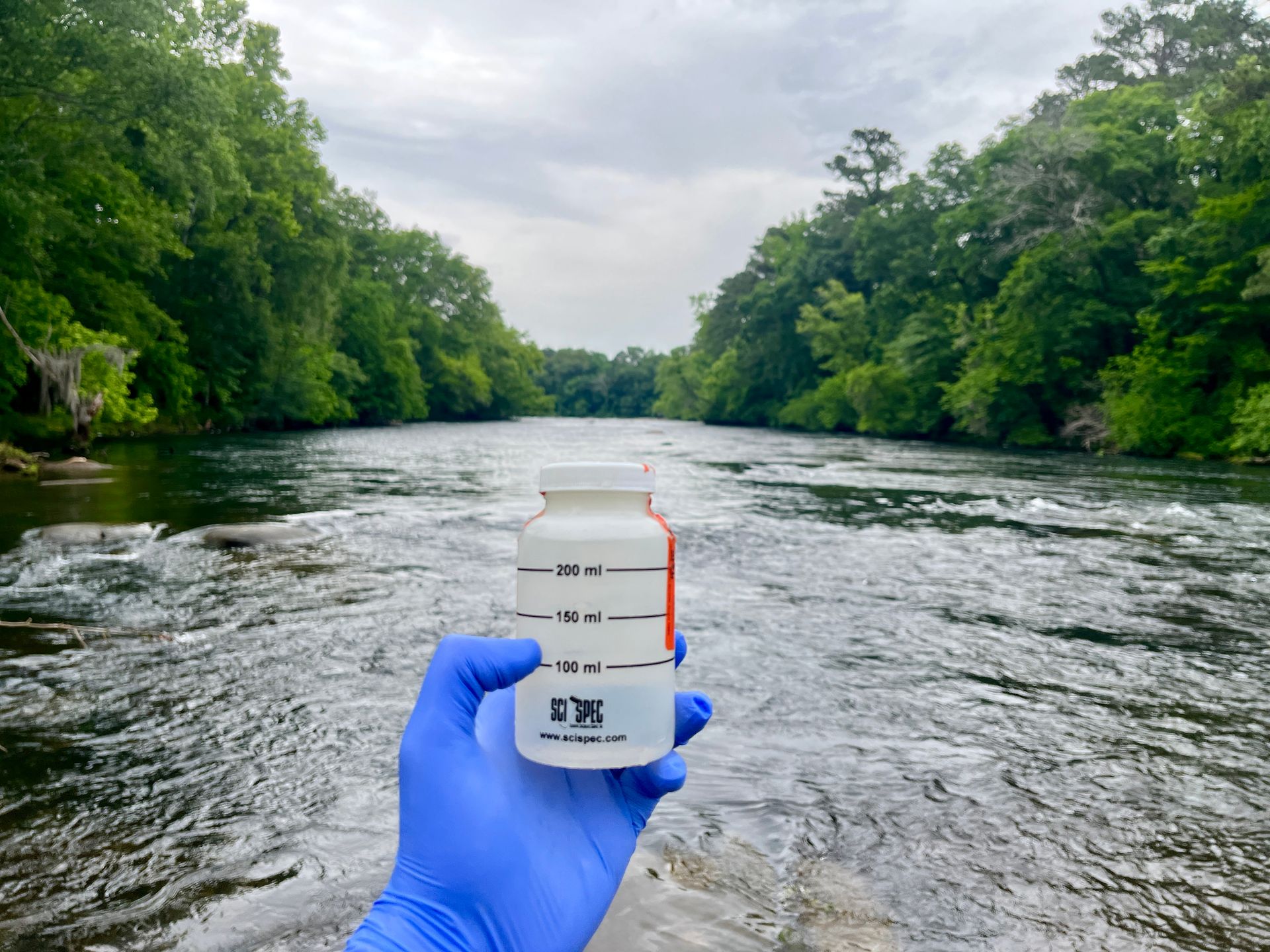
The ninth season of the Midlands Rivers Coalition 's weekly recreational water quality monitoring just concluded at the end of September. This season was a mixed bag of results, with several weeks of swimming advisories, but also lots of "all greens." The numbers below provide a snapshot of the season: 11 sites on the Broad, Lower Saluda and Congaree Rivers were sampled every week for 21 weeks, from May - September 269 total bacteria samples were collected (231 regular samples and 38 follow-up samples) 49 samples did not meet the state standard for contact recreation (38 regular samples and 11 follow-up samples) 81.8% of all samples collected this season met the state standard for contact recreation (a slight improvement from last year's 78%) 8 weeks with at least one swimming advisory issued (but only 3 of those had advisories continue after follow-up sampling ) Finished with 6 straight weeks of All Greens! From 8/14 - 9/24 all samples met the state standard for contact recreation and there were no swimming advisories issued 10 of the 11 sample sites had multiple swimming advisories issued this season Once again, only one site, the Saluda Shoals Canoe Landing (aka Upper Landing) had zero advisories this season Stormwater runoff is a significant source of pollution, and a major driver of the high bacteria levels and swimming advisories. Remember, we often see elevated bacteria levels in the 24-48 hours after significant rain events. River users should always pay attention to the weather and use their best judgement. Sewer spills also contribute to water quality issues, and the coalition used the website to notify the public of several spills impacting the rivers this season. Thank you so much to all of the Midlands Rivers Coalition partners who help make this effort possible. Weekly water quality monitoring will resume in May of 2026.
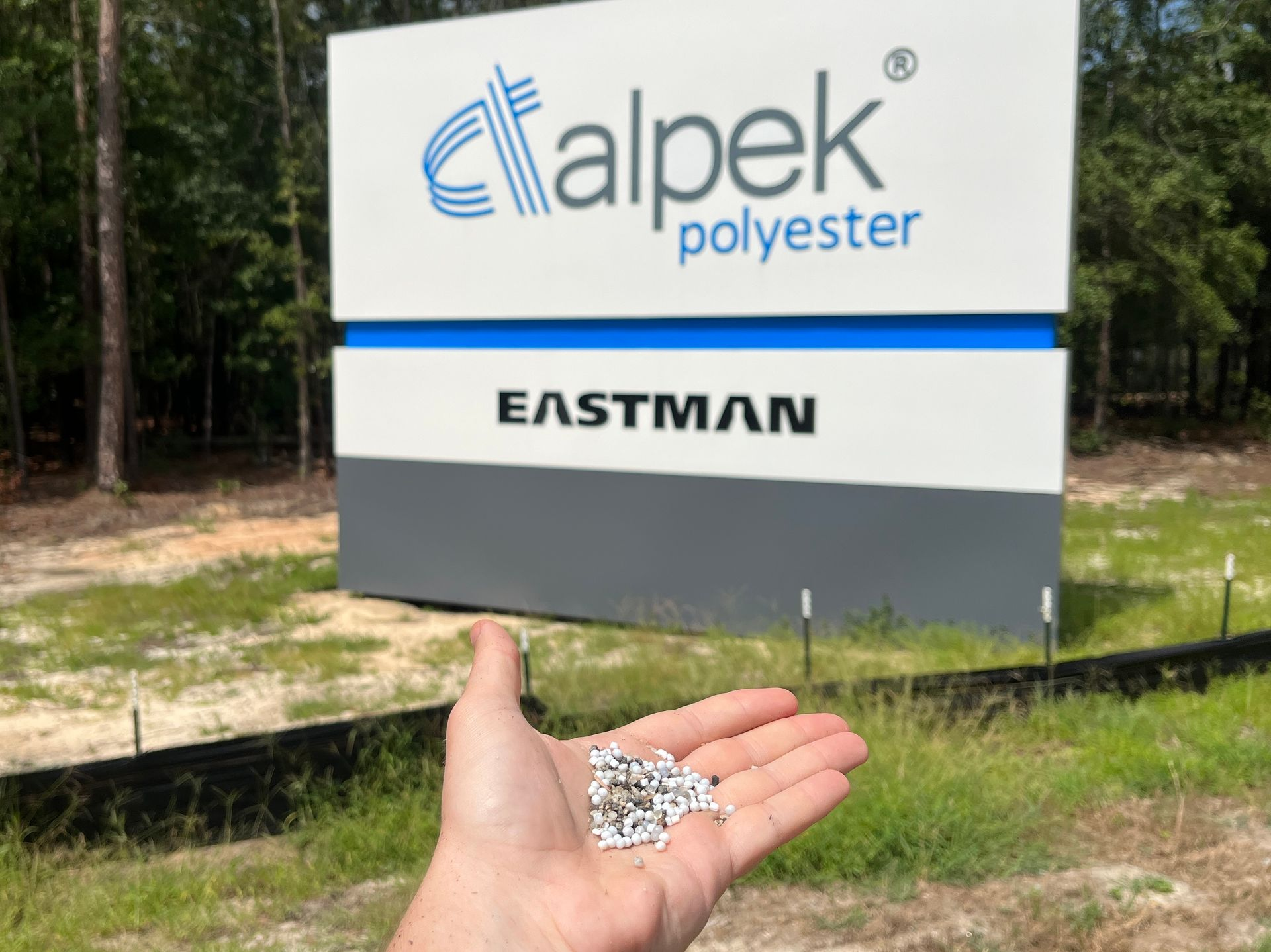
Pollution of the Congaree River violates federal Clean Water Act, Resource Conservation and Recovery Act, groups say